
Durian Season in Singapore: When It Starts, What to Eat, and the Best Durian Desserts
Everything you need to know about durian season in Singapore. Learn when durian season starts, the best durian desserts to try, and how traditional sweet treats pair perfectly with the King of Fruits.
Ah Ma QQ Bowl
Published 8 May 2026
The group chat starts buzzing around late May every year. Someone's uncle has a contact who says the first Mao Shan Wang shells will crack within the week. Prices get shared, stall recommendations debated, and weekend plans rearranged. That is how you know durian season is coming.
TL;DR: Everything you need to know about durian season in Singapore. When it starts, the best durian desserts, and how traditional sweet treats pair perfectly with the King of Fruits.
But here is the thing most people do not talk about: the best durian experience is not just durian. It is durian alongside other desserts that provide contrast and balance. After two or three seeds of rich, creamy Mao Shan Wang, even the most devoted fan needs something to reset the palate. That is where traditional desserts come in — and that is where our story connects to durian season.
When Is Durian Season in Singapore?
Two seasons a year, driven by fruiting cycles in Malaysia and Indonesia:
Main season: June to August. Peak supply, best prices, widest variety. Mao Shan Wang, D24, Red Prawn, XO, and Black Thorn all show up.
Minor season: December to February. Smaller harvest, decent quality, but prices run higher.
The exact timing depends on weather — durian trees need a specific sequence of dry spells followed by rainfall to trigger flowering. In unusual weather years, the season can shift two to four weeks either way.
How to Tell Peak Season Has Arrived
You do not need a calendar:
- Roadside stalls multiply — temporary sellers appear in car parks and along main roads, especially in Geylang, Balestier, and Yishun
- Prices drop — Mao Shan Wang moves from $20-25/kg down to $12-18/kg
- Your social media floods with durian haul photos
- The smell — you can literally smell the season before you see it
The Best Durian Desserts
Traditional Durian Desserts
Durian pengat. Warm Malay dessert made with ripe durian flesh simmered in coconut milk and palm sugar. Intensely rich. Traditional versions use only three ingredients: durian, santan, and gula melaka. Simple and devastating.
Durian chendol. The classic shaved ice dessert gets an upgrade during season. Durian flesh on top of green pandan jelly strips, red beans, coconut milk, and gula melaka syrup. Cold, creamy, chewy — peak-season favourite for a reason.
Durian kueh. Various traditional kueh incorporate durian during season, including durian dodol (sticky, chewy confection) and durian serawa.
Modern Durian Desserts
- Durian ice cream and gelato — available year-round but best during season when makers use fresh fruit
- Durian mochi — soft, chewy rice flour wrappers filled with durian cream
- Durian pancakes — thin crepe-style wraps with whipped cream and durian
- Durian puffs — choux pastry with fresh durian cream
- Durian cakes — Mao Shan Wang layered with sponge, cream, or mille crepe
Building the Perfect Durian Season Spread
This is something most Singaporean families do instinctively: you never serve just durian. You build a spread.
Durian is intensely creamy, rich, and heavy. The best companions are lighter, textured desserts that provide contrast:
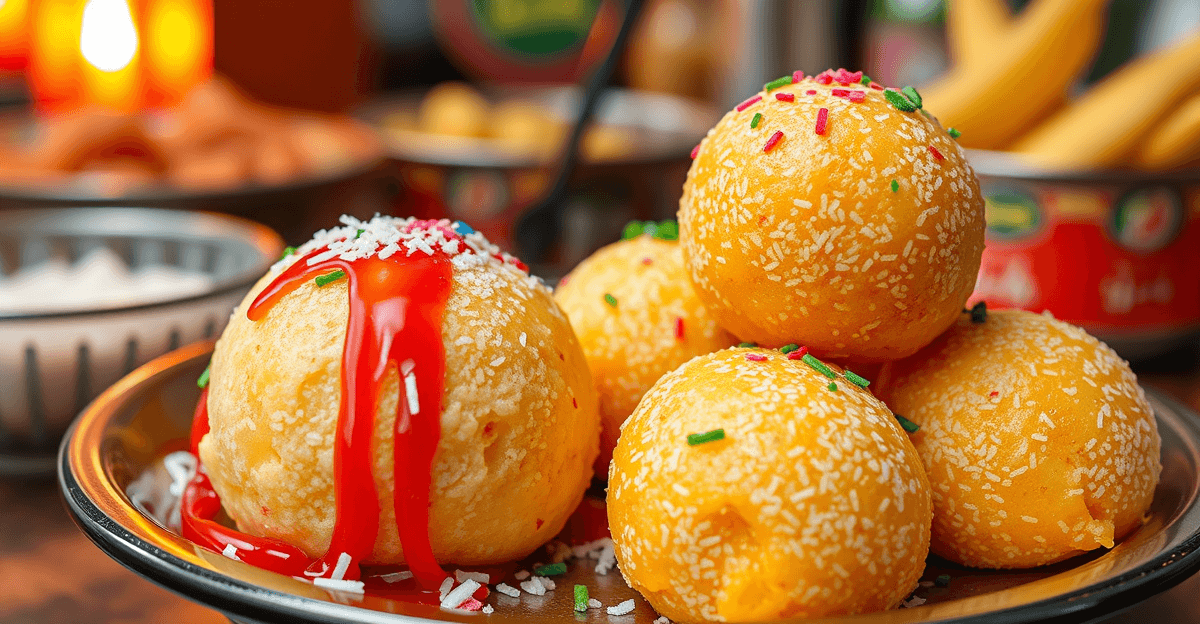
Sweet potato balls in green bean soup. The QQ chewy texture gives you a satisfying contrast to durian's creaminess. The green bean soup is light and subtly sweet — a perfect palate cleanser between durian servings. Our grandmothers have been doing this pairing for decades.
Soy beancurd (tau huay). Silky, delicate, lightly sweetened. Tau huay is the ultimate neutral partner for durian.
Green bean soup. A warm bowl of green bean soup between durian servings is like pressing a reset button for your taste buds.
Taro desserts. Taro-based sweets bring an earthy, starchy quality that complements rather than clashes. The combo of purple taro and golden durian is also visually striking.
Durian Gatherings: A Singaporean Tradition
Durian season is social. Families and friend groups organise feasts — often outdoors because the smell is too strong for indoor dining. The typical gathering follows a loose pattern:
- Someone sources durian from their trusted seller (everyone has their person)
- The group gathers in a void deck, garden, or outdoor space
- Durian gets cracked open and consumed communally
- Other desserts and drinks are laid out for variety
- Everyone argues about which cultivar is best
If you are hosting, having a few ready-to-serve traditional desserts on hand elevates the experience. Frozen desserts you can heat and serve mean zero preparation on your end — all effort goes into selecting the durian.
Tips for First-Timers
Choosing Your Durian
- Start with D24 — milder, sweeter, less intimidating than Mao Shan Wang
- Mao Shan Wang is the premium choice — intensely creamy with bittersweet complexity
- Red Prawn has a sweeter, less bitter profile many people prefer
- Buy from reputable sellers who let you choose or exchange
Storing and Handling
- Fresh durian: eat within a day or two of opening
- Do not store in the fridge (the smell will haunt everything)
- Wash hands with water from the husk — the inside of the shell neutralises the smell
The Alcohol Thing
Traditional advice says do not drink alcohol with durian. The science is debated, but durian does inhibit aldehyde dehydrogenase, which can cause discomfort with alcohol. Play it safe.
Where to Get Traditional Desserts for Your Feast
Planning a durian gathering and need desserts for the spread? Ah Ma QQ Bowl makes handmade sweet potato balls in green bean soup using whole ingredients: taro, sweet potato, tapioca flour, mung beans, rock sugar, water, and pandan leaf. No preservatives, no artificial anything.
Order online at ahmaqqbowl.com for island-wide frozen delivery. Heat and serve in minutes — perfect for a dessert spread alongside fresh durian.
Durian Season Calendar 2026
Based on historical patterns and early reports from Malaysian orchards:
- Late May to early June: Early season fruit appears. Prices highest, selection limited
- Mid-June to late July: Peak season. Best prices, widest variety, highest quality
- August: Season winds down. Last chance for affordable Mao Shan Wang
- December to February: Minor season with moderate supply
Mark your calendar, source your seller, stock up on traditional desserts for pairing, and get ready for the best eating season of the year.
Make It a Complete Experience
Durian season is the perfect excuse to explore the full range of traditional Singapore desserts. While durian takes centre stage, the supporting cast of green bean soup, taro balls, tau huay, and other home-based desserts is what turns a durian snack into a proper feast.
Whether you are a lifelong devotee or a curious newcomer, building a spread that balances the King of Fruits with lighter, traditional accompaniments is the most Singaporean way to enjoy the season.
Sources
Looking for more? Check out find more food deals on WhyNotDeals.
Craving sweet potato balls?
Ah Ma's handmade taro sweet potato balls in green bean soup — naturally gluten-free, no preservatives. Next-day delivery across Singapore.
View Our ProductsFrequently Asked Questions
Singapore typically has two durian seasons each year. The main season runs from June to August, and the minor season runs from December to February. The exact timing depends on weather patterns, particularly rainfall. During peak season, prices drop and variety increases, making it the best time to enjoy durian and durian-flavoured desserts.
Popular durian desserts in Singapore include durian pengat (a warm Malay coconut dessert), durian ice kachang, durian chendol, durian pancakes, and durian-topped traditional sweet soups. For something different, try pairing traditional desserts like sweet potato balls in green bean soup alongside fresh durian for a satisfying spread of warm and cold textures.
Yes. Durian pairs well with many traditional Chinese desserts. The creamy richness of durian complements lighter, subtler desserts like green bean soup, soy beancurd (tau huay), and sweet potato-based treats. Many Singaporean families serve durian alongside a spread of traditional desserts during gatherings, letting everyone mix and match flavours.
Ah Ma QQ Bowl makes handmade taro sweet potato balls in green bean soup with island-wide delivery. These traditional desserts pair perfectly with fresh durian for a complete Singaporean dessert spread. Order at ahmaqqbowl.com and have them delivered frozen -- ready to heat and serve alongside your durian feast.
Not exactly. While durian season generally falls in the same months each year (June to August for the main season, December to February for the minor season), the exact timing, duration, and intensity vary based on weather conditions. Heavy rainfall followed by dry spells triggers durian flowering, so unusual weather patterns can shift the season by several weeks.
Ready to try Ah Ma's sweet potato balls?
Handmade with real taro, sweet potato, and green beans. Frozen fresh with no preservatives. Order online for next-day delivery across Singapore.
Order NowRelated Articles
Pasar Malam Desserts in Singapore: A Guide to Night Market Sweets
Explore the best pasar malam desserts in Singapore, from traditional sweet potato balls to muah chee and ice kachang. Learn what makes night market desserts special and where to find them year-round.
Taro Desserts in Singapore: Traditional Favourites You Need to Try
Explore the best taro desserts in Singapore — from handmade taro balls in green bean soup to orh nee and bubur cha cha. A guide to traditional taro-based treats and where to find them.
Gluten-Free Desserts in Singapore: Traditional Options That Are Naturally Safe
Discover naturally gluten-free traditional Singaporean desserts, from sweet potato balls to kueh and cheng tng. A guide for those with coeliac disease, gluten sensitivity, or anyone seeking healthier dessert options.